
 English
 Español
 Pусский
 Français
 Deutsch
 日本語
日本語 한국어
한국어 العربية
 Italiano
 Nederlands
 Svenska
 Polski
 ไทย
ไทย Türk dili
 Indonesia
 Tiếng Việt
 čeština
 Română
 Suomalainen

When a brush making machine needs to repeat the same movement thousands of times, the Cam is one of the small components that can make a very big difference. At Dongguan Jifan Precision Machinery Co., Ltd., we manufacture custom cam components for automated machinery, including applications where controlled and repeatable movement is required in bristle tufting and brush production equipment.
As a High Precision Bristle Tufting Machine Cam Manufacturer, we do not treat every cam as a standard mechanical part. We work from customer drawings, machine specifications, motion requirements, dimensions, and actual equipment conditions. Depending on the application, our work can include cam design, CNC machining, irregular cam grinding, and Profile Grinding.
Our goal is straightforward: make a cam that fits the customer's mechanism, follows the required movement, and works reliably with the surrounding components. A good cam is not simply a round piece of metal with a special profile. Its shape represents a complete movement program, and that profile needs to match the follower, shaft, speed, load, and timing of the machine.
With strong R&D capabilities and products trusted by more than 1,000 customers, we provide custom cams, Cam Mechanisms, plate cams, conjugate cams, eccentric shafts, crankshafts, and other precision-machined components for industrial equipment.
1. What Is a Bristle Tufting Machine Cam?
A cam is a mechanical component used to control the movement of another part, normally called a follower. As the cam rotates, its specially shaped profile pushes or guides the follower through a planned movement. Instead of asking a motor or control system to create every movement electronically, a mechanical cam can create a repeatable motion directly through its geometry.
In a bristle tufting machine, this principle can be useful when a production process needs repeated mechanical actions. Depending on the machine design, the cam may control feeding, positioning, lifting, pressing, indexing, or another synchronized movement related to the tufting process. The exact function depends on the equipment structure and the customer's mechanism.
This is why we prefer to understand the complete application before manufacturing a Custom Bristle Tufting Machine Cam. Two cams can look similar from the outside but behave very differently when installed. A small change in lift, dwell, return timing, follower position, or profile shape can change the motion of the entire mechanism.
For custom projects, we normally review the available drawings and technical requirements first. If a customer already has a finished drawing, we can manufacture according to the agreed specifications. If the customer needs help developing the cam profile, we can also work from the required motion and equipment conditions.
| Cam Design Item | What It Controls | Why It Matters |
|---|---|---|
| Lift | Follower travel distance | Determines how far the driven component moves |
| Rise Angle | Time or rotation angle for upward movement | Affects follower speed and acceleration |
| Dwell | Period when the follower stays in position | Allows a machine operation to hold before the next movement |
| Return Angle | Rotation range used for returning | Influences the speed and smoothness of return movement |
| Base Circle | Basic cam geometry | Influences profile size and pressure-angle conditions |
Technical reference: cam design principles and pressure-angle relationships are discussed in academic and engineering references, including Iowa State University mechanical engineering materials and published cam mechanism studies.
2. How Does a Bristle Tufting Machine Cam Work?
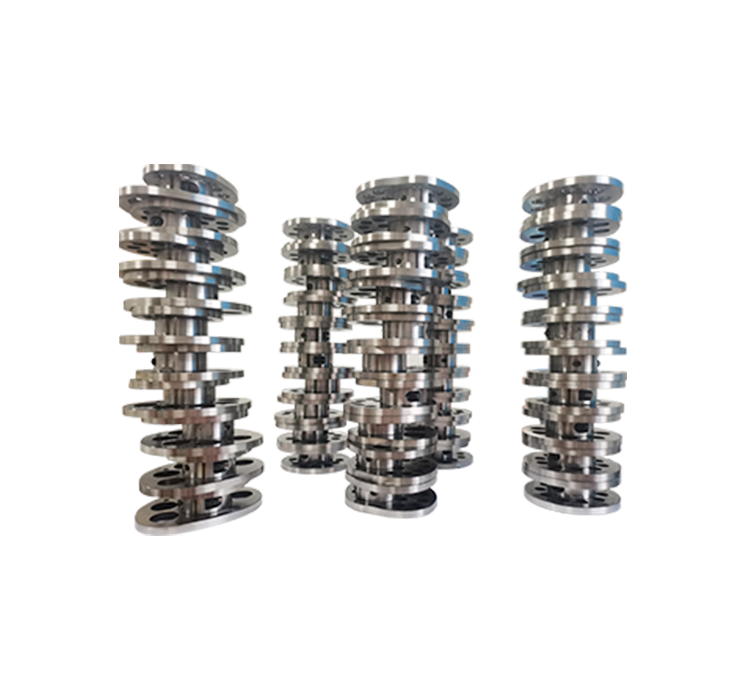
The basic idea is easier to understand than the engineering calculations behind it. Imagine a rotating cam with an uneven outer profile. A follower touches that profile. When the cam turns, the changing profile makes the follower move up, down, forward, backward, or rotate, depending on the mechanism.
In a brush production machine, the movement must happen at the right time. For example, one mechanism may need to move into position, hold briefly, and then return before another part of the machine starts its next operation. A properly designed cam can create this sequence mechanically and repeatedly.
The movement of the follower is often described using a motion curve. Common stages include rise, dwell, return, and another dwell. The actual sequence depends on the machine. We do not assume that one motion profile works for every bristle tufting machine.
When we develop a custom cam, we pay attention to several connected factors. These include the required lift, cam rotation, follower travel, operating speed, contact condition, available installation space, and the way the cam connects with the rest of the machine.
Pressure angle is another important design factor. In simple terms, it describes the angle between the follower's movement direction and the direction in which the cam pushes it. A large pressure angle can increase side force on the follower and its guide. Engineering references commonly use pressure-angle limits as an important design check rather than treating the cam profile as a simple shape problem.
Published engineering material also shows that pressure angle is affected by the follower motion law and basic cam dimensions. Therefore, we consider the motion requirement first and then develop the profile around the actual mechanism instead of simply copying a visual shape.
| Design Parameter | Typical Engineering Consideration | Effect on the Mechanism |
|---|---|---|
| Follower Lift | Must match required machine travel | Changes displacement and motion demand |
| Pressure Angle | Should be evaluated during profile design | Influences side load and follower movement |
| Radius of Curvature | Must suit the follower and profile geometry | Helps avoid unsuitable profile conditions |
| Cam Speed | Must match the machine operating cycle | Affects follower velocity and acceleration |
| Motion Law | Selected according to movement requirements | Influences speed, acceleration, and smoothness |
Source: Iowa State University mechanical engineering cam analysis material; published studies in Mechanism and Machine Theory concerning cam profile, pressure angle, and follower motion.
3. Key Features of Our High Precision Bristle Tufting Machine Cam
Our main advantage is not that we make one fixed type of cam. Our strength is custom precision machining based on the customer's actual equipment requirements.
Custom Profile Development
Every machine has its own movement requirements. We can manufacture cams based on customer drawings, dimensions, specifications, and equipment requirements. For projects requiring a new cam profile, we can also discuss the required movement and mechanical conditions before production.
Precision Machining
The cam profile must be manufactured carefully because its shape directly controls follower movement. Our production process may involve CNC machining, profile grinding, irregular cam grinding, and other machining operations according to the component design.
Stable Dimensional Control
A cam does not work alone. It needs to fit correctly with shafts, bearings, followers, mounting surfaces, and other machine components. For this reason, dimensional inspection is an important part of our manufacturing process.
ISO 286-1:2010 provides an international system for tolerances on linear sizes and terminology related to fits. We use the customer's agreed drawings and specifications as the controlling requirements for each project rather than applying one universal tolerance to every component.
Application-Focused Customization
We understand that a brush production machine may have different speed, space, load, and movement requirements from another automated machine. Instead of offering a generic cam for every situation, we manufacture according to the actual application.
Support for Different Cam Types
Our product range includes custom cams, plate cams, conjugate cams, cam mechanisms, eccentric shafts, crankshafts, and other custom precision components. This broader machining capability is useful when a project requires more than one type of precision mechanical part.
4. Technical Advantages of Custom Bristle Tufting Machine Cam Machining
For us, precision is not simply about making a part smaller or adding a tighter tolerance. It means making the complete component suitable for the machine in which it will work.
One important advantage of a custom cam is motion control. The cam profile can be designed around a specific sequence instead of forcing the machine to adapt to a standard component. This is particularly useful for production equipment with special timing or limited installation space.
Another advantage is repeatability. Mechanical cams are often used when the same motion needs to happen again and again. Once the cam and follower system are properly designed and installed, the geometry of the cam provides a repeatable mechanical movement.
We also pay attention to the connection between the cam and related parts. A correctly machined profile is not enough if the bore, keyway, mounting surface, shaft connection, or other dimensions do not match the equipment.
For this reason, our inspection process covers more than the visible profile. Depending on the project requirements, we check dimensions and relevant features against the agreed drawings before final delivery.
| Manufacturing Stage | Our Focus | Customer Benefit |
|---|---|---|
| Drawing Review | Dimensions, profile, material, quantity, application requirements | Reduces misunderstandings before production |
| Cam Design | Motion requirements and mechanical geometry | Creates a profile suited to the equipment |
| CNC Machining | Basic geometry and precision features | Builds the main component accurately |
| Profile Grinding | Cam working profile where required | Improves profile consistency for specified applications |
| Dimensional Inspection | Key dimensions and agreed specifications | Confirms the finished part before shipment |
| Final Verification | Overall compliance with agreed requirements | Provides a final quality check before delivery |
Source: Manufacturing process structure is based on our stated production and inspection workflow. Dimensional tolerance concepts are referenced to ISO 286-1:2010.
5. Our Manufacturing Process for a Custom Bristle Tufting Machine Cam
When we receive a new project, we start with the technical information rather than immediately putting the material on a machine. This simple step helps us understand what the cam is supposed to do.
Step 1: Review Drawings and Requirements
We first review the customer's drawings, dimensions, material requirements, quantity, and equipment information. If the customer provides a cam drawing, we use it as the main technical reference. If the customer needs a custom profile, we discuss the required movement and installation conditions.
Step 2: Confirm the Cam Structure
We then look at the important geometry, such as the cam diameter, thickness, mounting structure, bore, keyway, profile, and related dimensions. The exact details depend on the machine.
Step 3: Check the Motion Requirements
For a new or modified cam, the motion requirement is important. We consider lift, rise, dwell, return, rotation, follower movement, and other available information. This helps us avoid designing a profile that looks correct but produces the wrong mechanical movement.
Step 4: Select the Machining Process
Depending on the part design and material, the production process can include CNC machining, profile grinding, irregular cam grinding, and other precision machining operations. The production cycle depends on product complexity, material, quantity, and customization requirements.
Step 5: Dimensional Inspection
After machining, we inspect the finished component according to the agreed requirements. Important dimensions and relevant features are checked before the component moves to final verification.
Step 6: Final Verification and Packaging
Before delivery, we carry out final quality checking and verification against the agreed specifications. Standard protective packaging is used to help prevent damage during handling and transportation. If a customer has special packaging requirements, customized packaging can also be arranged.
This process gives us a clear path from drawing to finished component. It also gives the customer a practical point of communication at each stage of a custom project.
6. Applications and Industries
A bristle tufting machine cam is a specialized mechanical component, but the manufacturing principles behind it are widely useful in automated production equipment. Our custom cam components are used in different industries where controlled mechanical movement is required.
Brush and Daily Chemical Equipment
Brush manufacturing equipment can include multiple synchronized mechanical actions. Custom cams can be developed for mechanisms where a repeated movement needs to be controlled mechanically.
Food and Beverage Equipment
Food processing and beverage equipment often relies on repeated feeding, positioning, indexing, and handling operations. Custom cam components can be manufactured according to the movement requirements of individual machines.
Electronics Manufacturing
Electronic production equipment can require compact precision components and repeatable motion. A custom cam can help create a defined mechanical sequence when the equipment uses mechanical motion control.
Plastics and Hardware Machinery
Plastic and hardware production equipment may involve feeding, forming, indexing, pressing, or other repeated operations. The correct cam profile can help synchronize mechanical movement with the production cycle.
Printing Equipment
Printing machinery contains many timed mechanical movements. Depending on the equipment design, cams can be used to coordinate mechanical actions and maintain a repeatable movement sequence.
Biopharmaceutical and Automated Production Equipment
Automated production systems in specialized industries can also use custom mechanical components. For these applications, we focus on producing components according to the customer's technical drawings and equipment requirements rather than making assumptions about a particular machine.
The common point across these industries is simple: the component needs to fit the equipment and perform the required movement consistently.
7. Why Choose Dongguan Jifan as Your High Precision Bristle Tufting Machine Cam Manufacturer?
Choosing a cam manufacturer is not only about comparing the price of one metal component. A custom cam is closely connected to the machine's movement, so communication, machining capability, inspection, and technical understanding all matter.
At Dongguan Jifan Precision Machinery Co., Ltd., our core business is precision mechanical components and customized cam solutions. We specialize in cam mechanisms, Custom Cam Machining, cam design, profile grinding, eccentric shafts, crankshafts, plate cams, and conjugate cams.
Our experience covers different types of automated machinery and production equipment. We also understand that customers may come to us at different stages of a project. Some already have complete drawings. Others have an existing component that needs to be reproduced or modified. Some need a new custom cam based on a particular movement requirement.
We therefore keep our communication practical. We want to know what the part needs to do, where it will be installed, what dimensions are available, and what information is already available from the machine manufacturer or engineering team.
Our products are trusted by more than 1,000 customers, and we continue to focus on reliable quality and professional service. Our production and inspection process is organized around the agreed technical requirements of each order.
We also provide several transportation options. Depending on the destination and order size, products can be shipped by express, air freight, sea freight, or another suitable method. Payment terms are arranged according to the contract and may depend on order quantity, production requirements, and project conditions.
Most importantly, we understand that a custom component needs to be treated as part of a working machine, not as an isolated piece of metal.
8. How to Order a Custom Bristle Tufting Machine Cam
If you are looking for a High Precision Bristle Tufting Machine Cam Manufacturer, the more technical information you can provide at the beginning, the easier it is for us to evaluate the project.
A drawing is the best starting point. A 2D drawing, 3D CAD file, existing cam sample, or detailed technical specification can all be useful. If the cam profile is already designed, we can focus on manufacturing and inspection. If the profile still needs to be developed, we can review the available motion information.
Useful information may include:
Cam drawings or CAD files
Required cam dimensions
Material requirements
Quantity or estimated annual demand
Machine operating speed
Follower type and movement
Required lift or travel
Rise, dwell, and return requirements
Mounting and shaft dimensions
Application environment
Inspection or tolerance requirements
Packaging and shipping requirements
If some information is not available, we can start with the information you have. The final manufacturing requirements should always be confirmed before production.
After the specifications are agreed, we arrange production according to the project schedule. The production cycle varies from one component to another because material, complexity, quantity, machining requirements, and customization level are different.
9. Frequently Asked Questions
What does a bristle tufting machine cam do?
A bristle tufting machine cam is a mechanical component that controls a follower or connected mechanism through a specific rotating profile. Its exact function depends on the design of the brush production machine and may involve positioning, feeding, lifting, indexing, pressing, or other repeated movement.
Can you manufacture a custom bristle tufting machine cam from a drawing?
Yes. We manufacture custom cams based on customer drawings, specifications, and equipment requirements. Customers can provide 2D drawings, 3D models, dimensions, or other available technical information for evaluation.
Can you design the cam profile?
Yes. We provide cam design services as part of our custom Machining Capabilities. For a new profile, we need information about the required movement, machine structure, follower arrangement, dimensions, and other relevant operating conditions.
Do you provide profile grinding?
Yes. Our services include profile grinding and irregular cam grinding. The exact machining process depends on the cam structure, material, profile, dimensional requirements, and production quantity.
What industries do your cam components serve?
Our precision components are used in daily chemical, biopharmaceutical, food processing, electronics, plastics and hardware, printing, beverage, and other industrial applications. The suitability of a particular cam depends on the machine design and technical requirements.
How long does it take to manufacture a custom cam?
The production cycle depends on product complexity, material, quantity, customization requirements, and the selected machining process. We confirm the production schedule according to the specific project after reviewing the technical requirements.
How do you inspect the finished cam?
Before delivery, products undergo machining, dimensional inspection, quality checking, and final verification according to the agreed specifications. The inspection focus depends on the drawing and technical requirements of the order.
Can you produce small quantities?
Custom production requirements can vary from prototypes and small orders to larger production quantities. We evaluate each project according to its design complexity, material, quantity, machining requirements, and schedule.
How are the cams packaged for shipping?
We use standard protective packaging to help prevent damage during handling and transportation. Customized packaging can also be arranged when a customer has special requirements.
Which shipping methods are available?
Depending on the destination and order size, products can be transported by express, air freight, sea freight, or another suitable method. The final shipping arrangement is confirmed according to the project.
10. Final Thoughts
A cam may be a relatively small component, but its profile can control an important part of an automated machine's movement. For a bristle tufting machine, the right cam needs to match the follower, timing, dimensions, installation conditions, and production requirements of the equipment.
At Dongguan Jifan Precision Machinery Co., Ltd., we approach Custom Cam Manufacturing from the machine side. We look at what the component needs to do, not just what it looks like. Our capabilities include custom cam machining, cam design, CNC precision machining, irregular cam grinding, and profile grinding.
As a High Precision Bristle Tufting Machine Cam Manufacturer, we can manufacture custom cam components according to customer drawings, specifications, and equipment requirements. Our broader product range also includes plate cams, conjugate cams, cam mechanisms, eccentric shafts, crankshafts, and other Custom Precision Parts.
If you have an existing bristle tufting machine cam that needs to be reproduced, a drawing that needs to be manufactured, or a new cam profile that needs to be developed, we can review the available technical information and discuss a suitable manufacturing approach.
The final objective is simple: a properly manufactured precision cam that fits the machine, follows the required movement, and supports reliable operation in real production.
Technical Sources and References
ISO 286-1:2010, Geometrical product specifications (GPS) — ISO code system for tolerances on linear sizes — Part 1: Basis of tolerances, deviations and fits. The standard defines concepts and terminology for tolerance classes, deviations, and fits.
Iowa State University, Mechanical Engineering cam analysis material, covering cam profile geometry, follower displacement, roller radius, base-circle radius, and pressure-angle calculations.
Published research in Mechanism and Machine Theory concerning cam synthesis, follower motion, pressure angle, and cam profile design.
IEEE Technology Navigator, technical overview of cam and follower mechanisms and factors including follower type, friction, wear, and pressure angle.
